01
Ring Main Unit
In-depth guide to Schneider RM6 switchgear: gas tank expansion, functional units, visible earth switch, cable test points, and SafeRing engineering comparison.
 In Stock
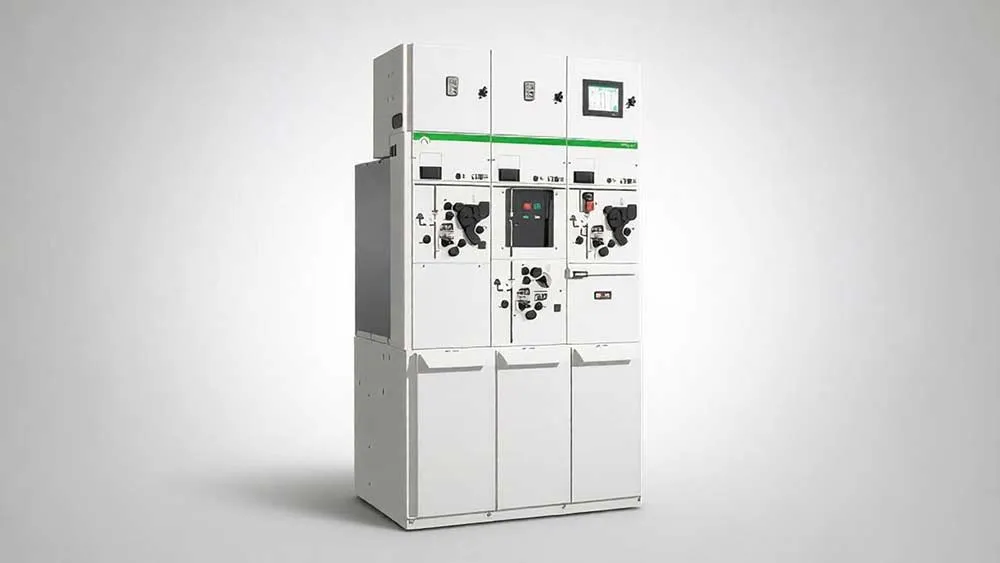
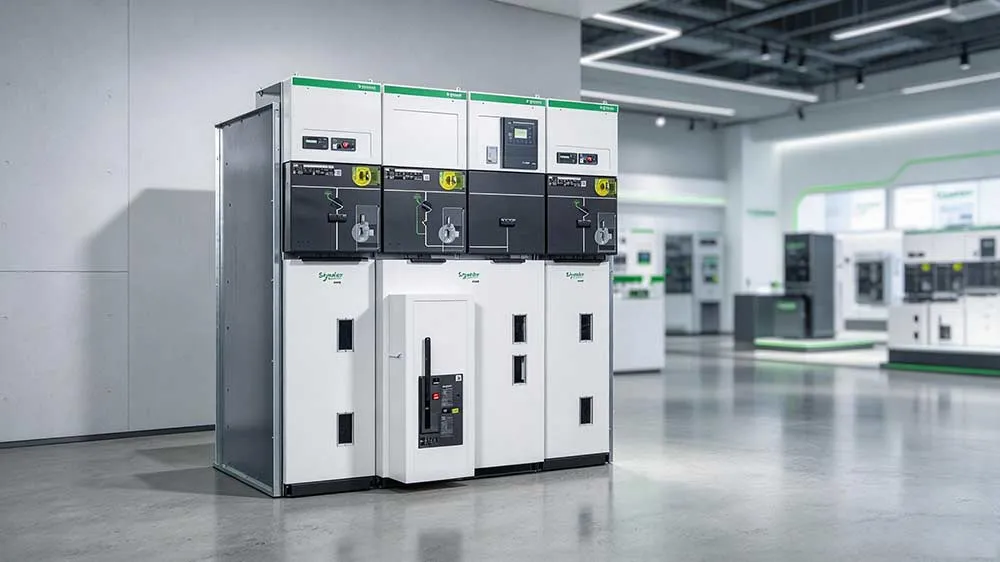
The Schneider RM6 switchgear (also known as Schneider Electric RM6) consists of 1 to 4 integrated, compact functional units. The self-contained and fully insulated unit includes:
The performance characteristics of RM6 comply with the definition of "sealed pressure system" as specified in the IEC recommendations. Switches - isolating switches and grounding switches provide necessary usage guarantees for operators (specific debugging and operating procedures can be found in Schneider RM6 manual): The sealed housing is filled with SF6 gas at 0.2 bar (gauge pressure), and after inflation, it achieves full life sealing. Its sealing is systematically inspected in the factory, resulting in an expected lifespan of 30 years for the switchgear. RM6 does not require maintenance of live parts. The switch isolation switch adopts SF6 buffer technology to achieve arc extinguishing. The circuit breaker adopts rotating arc technology and is supplemented with SF6 self expansion to achieve full range breaking from load current to short-circuit current.
The concept of ring network is very important, so I will elaborate further here. The goal of the entire power system is to improve the reliability of power supply after meeting the basic power supply requirements. The most important purpose of all distribution automation, upgrades, etc. is to improve power supply reliability:
And the ring network line provides power redundancy, powered by two substations (or two outgoing lines from one substation). In this way, when a power supply line fails, the load of the ring main unit can be quickly restored by closing a certain switch of the ring main unit. Schneider also provided a typical distribution ring network diagram, which includes two substations. Load switches are commonly used for incoming and outgoing lines, while fuse cabinets and circuit breakers are used for downstream loads.
The model of this product series is RM6. According to the different SF6 gas boxes, they can be divided into:
RM6 emphasizes that the ring main unit should be flexibly combined, so there is no restriction on the types of combinations of various units (the standard arrangement scheme and technical drawings of each unit can be found in the engineering selection manual RM6 Schneider catalogue PDF).
In the technical architecture of RM6 Schneider Electric, ABB, Schneider, and Siemens have all turned ring main units below 24kV into one product. Because for these brands, the voltage differences are not significant, unifying the design into one product is beneficial for saving research and development costs, as well as reducing subsequent management and promotion expenses.However, many domestic manufacturers, due to cost saving reasons, find it difficult to meet the requirement of 24kV for 12kV products, and even the requirement of 17.5kV cannot be met. Another difference is that the national standard's 24kV power frequency withstand voltage is much higher than the IEC's power frequency withstand voltage, which results in the technical parameters of the national standard's 24kV ring main unit being two levels higher than those of 12kV.
In terms of rated current, Schneider offers many options, such as:
These options are all designed to reduce costs for users.
| Technical Parameters | 12kV | 17.5kV | 24kV |
|---|---|---|---|
| Rated Voltage | 12kV | 17.5kV | 24kV |
| Rated Frequency | 50/60Hz | 50/60Hz | 50/60Hz |
| Power Frequency Withstand Voltage | 28 | 38 | 50 |
| Lightning Impulse Withstand Voltage | 75 | 95 | 125 |
| Short-time Withstand Current & Duration | 25kA/1s | 21kA/1s (or 3s) | 12.5kA/1s 16kA/1s 20kA/1s |
| Busbar Rated Current | 630A | 630A | 400A/630A |
| Internal Arc Fault | 20kA/1s | 20kA/1s | 20kA/1s |
Compared to SafeRing/SafePlus, Schneider has introduced two new features:
Finally, Schneider's RM6 Schneider shared box ring main unit supports up to 4 units, while SafeRing can accommodate up to 5 units.
Catalogs, CAD drawings and manuals are free — leave your work email and we send the package within 12 hours.
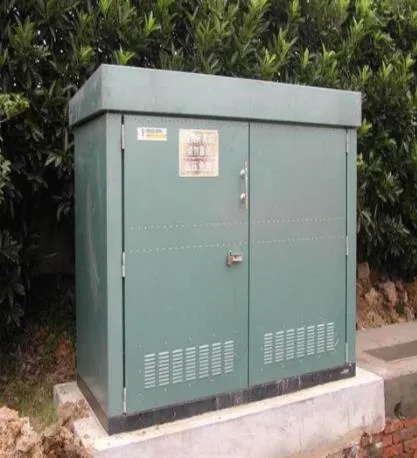
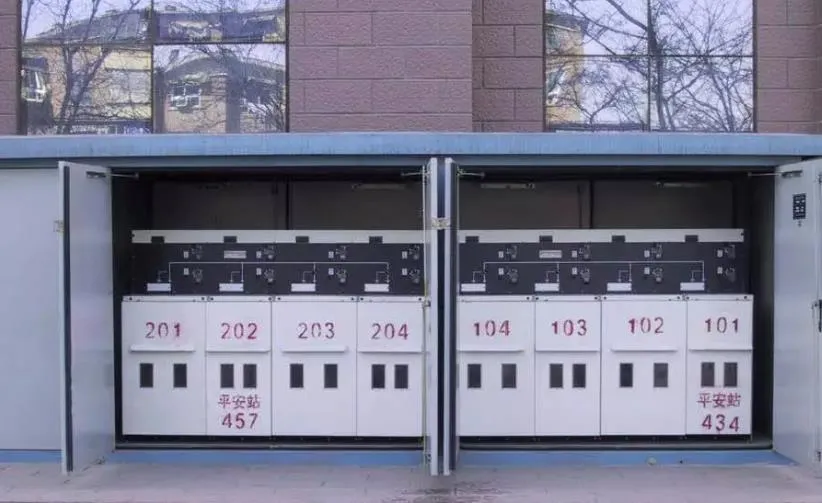
Where RM6 RMU delivers — typical on-site installations across industries and regions.
01
02
03
Related Products
 In Stock
 Made to Order
 Made to Order
 In Stock
Ring Main Unit
SF6 fully-insulated metal-enclosed ring main unit · 12 kV / 17.5 kV / 24 kV · 630 A busbar & feeder; 1250 A top busbar optional
Inquiry